• How to Protect Your Time Without Feeling Guilty
    Welcome to Bright Living

    By Edwin Mbuvi Ndolo | Bright Living

    How to Protect Your Time Without Feeling Guilty

    By Edwin Mbuvi Ndolo | Bright Living

    A full calendar can make you feel productive. But if every hour belongs to someone else, it becomes difficult to give proper attention to your own work, health and relationships.

    Protecting your time does not mean refusing every request. It means making thoughtful choices about what you can give and what you need to keep. Here are five ways to start.

    Know what your time is for

    Before you decide what to decline, identify what deserves your attention. Write down your priorities for this season of life. They might include doing your work well, being present with family, learning a skill or getting enough rest.

    Keep the list short. When a new request arrives, you can ask: Will saying yes support one of these priorities, or take time away from it? That question makes the decision clearer.

    Pause before you say yes

    Many commitments begin with an automatic “sure.” Give yourself room to check your schedule first.

    A simple response is: “Let me look at what I have planned and get back to you.” You can then decide whether you have the time and energy to follow through. A considered yes is more useful to everyone than a rushed promise you struggle to keep.

    Give a clear answer

    You do not need a long explanation to set a boundary. “I can’t make it this time” is enough. If you want to help in a smaller way, say exactly what you can offer: “I have 20 minutes on Thursday,” or “I can review one page.”

    Be careful with “maybe” when you already know the answer is no. A clear response lets the other person make their own plans.

    Make space before your week fills up

    Put important work and personal commitments on your calendar before accepting optional plans. You might reserve an uninterrupted hour for a project, an evening with your children or time to exercise.

    Treat those blocks as real appointments. You can still change them when something genuinely urgent happens, but they should not disappear simply because another invitation came first.

    Expect some discomfort

    If people are used to your availability, a new boundary may feel awkward at first. That feeling does not mean you have made the wrong choice. Give people time to adjust, and stay polite and consistent.

    You can care about someone and still be unavailable on a particular day. Over time, clear boundaries make your commitments more dependable because you are choosing what you can truly sustain.

    Your time is limited. Use it with intention, and you will have more attention to give to the things—and people—you have chosen.


  • How to Stay Consistent When Progress Feels Slow | Edwin Mbuvi Ndolo
    Welcome to Bright Living

    How to Stay Consistent When Progress Feels Slow

    By Edwin Mbuvi Ndolo | Bright Living

    It is easy to begin a goal with energy. The harder part comes weeks later, when you are putting in effort but cannot yet see much change. You may be building a business, learning a skill, improving your health or working toward a more stable life. In each case, slow progress can make you wonder whether your effort matters.

    Consistency does not mean doing everything perfectly. It means finding a way to keep going, including on ordinary days when motivation is low. Here are five habits that can help.

    1. Make the next step small enough to do

    A large goal can feel overwhelming when you think about everything still ahead. Bring your attention back to one action you can complete today. If you want to read more, start with a few pages. If you want to improve a business, choose one customer problem to address. Small actions are easier to repeat, and repetition gives progress a chance to build.

    2. Measure actions as well as results

    Some results take time. A new skill may improve before anyone else notices. A business change may take months to show in sales. Keep a simple record of the work you are doing: days practised, customers followed up, tasks finished or lessons learned. It helps you see movement that an end goal alone may hide.

    3. Prepare for difficult days

    You will not have the same energy every day. Decide in advance what a smaller version of your habit looks like. A short workout can keep your routine going when a full session is unrealistic. Ten focused minutes can be enough to make progress on a project. Doing less for a day is different from giving up.

    4. Review your progress each week

    Set aside a few minutes to ask: What worked? What got in the way? What should I change next week? This turns consistency into a learning process. If a plan repeatedly fails, adjust the plan instead of assuming you lack discipline.

    5. Give meaningful goals enough time

    We often expect visible change sooner than it arrives. Stay honest about whether your actions are helping, but allow enough time to judge them fairly. Progress may be gradual before it becomes obvious.

    The next step is simple: choose one goal, write down one action you can repeat this week, and review it seven days from now. You do not need a perfect week to make a good start.

    Edwin Mbuvi Ndolo writes for Bright Living about consistency, discipline and personal growth.

  • Comfort Is the Most Dangerous Addiction-By Edwin Moses Mbuvi
    Welcome to Bright Living

    Most people don’t fail because they are weak.

    They fail because they get comfortable.

    Comfort is silent. It doesn’t announce itself as danger. It feels safe. Familiar. Easy. And that is exactly why it is so powerful.

    When life becomes predictable, ambition slowly dies.

    You wake up at the same time. Do the same things. Talk to the same people. Complain about the same problems. And call it “normal.” Years pass, but nothing truly changes.

    Comfort convinces you that survival is success.

    But growth demands discomfort.

    Every meaningful improvement in life comes from doing what feels hard:

    Waking up earlier.
    Saying no to distractions.
    Training when your body wants rest.
    Saving when you want to spend.
    Building when you want to relax.

    Comfort whispers, “You deserve to rest.”
    Discipline replies, “You deserve better.”

    The danger is not rest. The danger is building a life around avoiding discomfort.

    A comfortable life can quietly become a small life.

    Potential fades when effort disappears. Dreams shrink when routines become cages.

    The people who change their lives are not special.

    They simply choose temporary discomfort over permanent regret.

    They choose progress over pleasure.
    Structure over spontaneity.
    Long-term respect over short-term ease.

    If your life feels too easy, it might be costing you your future.

    Get uncomfortable.

    That is where growth lives.

  • Nobody Is Coming to Save You-By Edwin Mbuvi
    Welcome to Bright Living

    One of the most powerful and uncomfortable truths in life is this:

    Nobody is coming to save you.

    No perfect timing.
    No magical opportunity.
    No person who will fix everything for you.

    This life is your responsibility.

    Many people spend years waiting — for support, for motivation, for someone to notice their struggle, for conditions to improve. They delay action, hoping something external will change first.

    But real growth begins the moment you accept that you are the solution.

    Your goals won’t chase you.
    Your health won’t fix itself.
    Your finances won’t grow by wishing.
    Your dreams won’t build themselves.

    Waiting is comfortable. Responsibility is hard.

    Taking ownership means admitting that your current situation, good or bad, is shaped largely by your past decisions. And your future will be shaped by what you choose to do next.

    This is not meant to scare you.
    It’s meant to empower you.

    Because if nobody is coming to save you…
    that also means nobody is stopping you.

    You don’t need permission to improve.
    You don’t need approval to change.
    You don’t need validation to start again.

    You only need courage to act.

    Start where you are.
    Use what you have.
    Do what you can — daily.

    Progress may be slow. Results may be quiet. But momentum is built by those who move even when it’s uncomfortable.

    Stop waiting for rescue.

    Become disciplined.
    Become consistent.
    Become responsible for your own future.

    That is where real freedom begins.

  • You Outgrow People Before You Outgrow Your Dreams-By Edwin Mbuvi
    Welcome to Bright Living

    Growth changes you.

    Not loudly. Not suddenly. But quietly and deeply.

    One day you realize your conversations are different. Your priorities are different. Your definition of fun is different. What once excited you now drains you. What once felt normal now feels heavy.

    And slowly, without planning it, you begin to outgrow certain people.

    This is not arrogance. It is evolution.

    Some people are meant to walk with you for a season, not a lifetime. They meet you at one version of yourself, but they are not designed for the next. Holding on to everyone out of loyalty can quietly hold you back from becoming who you need to be.

    Dreams demand focus.
    Growth demands boundaries.
    Progress demands change.

    When you start building something meaningful—your health, your business, your peace, your future—you can no longer afford environments that pull you backward. Late nights lose their appeal. Empty talk loses its value. Chaos stops feeling exciting.

    You begin to choose silence over noise. Purpose over popularity. Direction over distraction.

    Some people will misunderstand your distance. Some will call you proud. Some will say you changed.

  • The Quiet Power of Starting Over Without Explaining Yourself-By Edwin Mbuvi
    Welcome to Bright Living

    At some point in life, you realize something important: you don’t owe everyone an explanation.

    Starting over does not require permission. Growth does not need applause. Reinvention does not need announcements.

    Many people delay change because they fear questions, opinions, and judgment. They explain too much. They justify too much. And in doing so, they give others power over their decisions.

    But the strongest transformations often happen quietly.

    You don’t need to explain why you changed your routine.
    You don’t need to explain why you stopped showing up in certain places.
    You don’t need to explain why you chose peace over chaos.

    Silence can be powerful. When you move quietly, you protect your energy. You avoid unnecessary resistance. You give yourself room to rebuild without pressure.

    People who matter will understand later.
    People who don’t matter don’t need to understand at all.

    Starting over silently allows you to focus on execution instead of validation. It allows you to become stronger before the world notices. And when results finally speak, explanations become unnecessary.

    Sometimes the best move is to reset, refocus, and rebuild—without announcing a single word.

    Let your actions do the talking.

  • Why Discipline Will Take You Further Than Motivation Ever Will-By Edwin Mbuvi
    Welcome to Bright Living

    Most people wait to feel motivated before they act. That is why most people stay stuck.

    Motivation is emotional. It comes and goes. One day you feel inspired, the next day you feel tired, bored, or discouraged. Discipline, on the other hand, does not depend on how you feel. Discipline shows up even when motivation disappears.

    Successful people understand one truth: progress is built on routine, not excitement.

    You don’t wake up every day feeling like working, training, saving money, or staying focused. But discipline makes you do the work anyway. It turns actions into habits, and habits into identity.

    Discipline is what wakes you up early when no one is watching.
    Discipline is what keeps you consistent when results are slow.
    Discipline is what separates dreamers from builders.

    Motivation says, “I’ll start when I feel ready.”
    Discipline says, “I’ll start because it needs to be done.”

    If you rely on motivation, your life will always be inconsistent. If you build discipline, your results will compound quietly over time. Small daily actions—done consistently—will outperform big emotional bursts every single time.

    Stop chasing motivation.
    Build structure. Build habits. Build discipline.
    That is how real progress is made.

  • How to Create a Business Plan That Works-Edwin  Mbuvi
    Welcome to Bright Living

    Many entrepreneurs jump into business with great ideas but no clear roadmap. A strong business plan doesn’t just impress investors — it keeps you focused and accountable.

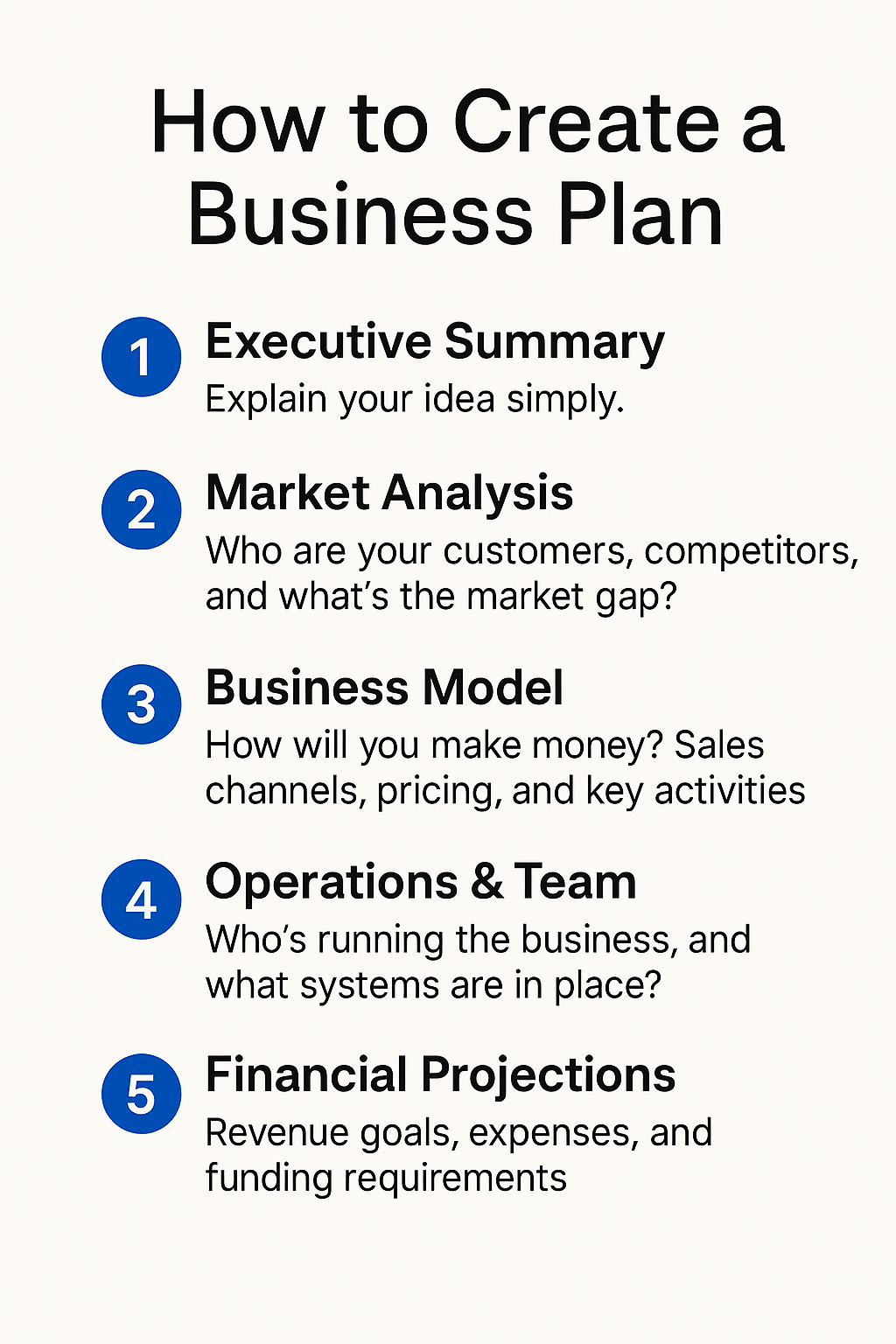
    Here are 5 key steps to creating a practical business plan:

    1️⃣ Executive Summary – Explain your idea simply. What problem are you solving, and how?
    2️⃣ Market Analysis – Who are your customers, competitors, and what’s the market gap?
    3️⃣ Business Model – How will you make money? Sales channels, pricing, and key activities.
    4️⃣ Operations & Team – Who’s running the business, and what systems are in place?
    5️⃣ Financial Projections – Revenue goals, expenses, and funding requirements.

    👉 A good plan doesn’t need to be 50 pages. It just needs to be clear, realistic, and actionable.

    The truth is, your first plan will evolve as you grow — and that’s okay. What matters is starting with a roadmap that guides your decisions.

    💡 Question for you: Do you update your business plan every year, or only when seeking funding?

  • The Importance of Working Out for a Better Life-By Edwin Mbuvi
    Welcome to Bright Living

    Working out is not just about building muscles or losing weight — it’s about creating a healthier, stronger, and more balanced life. Regular exercise has benefits that go beyond the body, improving the mind and fueling success in everyday life.

    1. Improves Physical Health

    Exercise strengthens the heart, boosts circulation, and lowers the risk of lifestyle diseases such as diabetes, hypertension, and obesity. A simple 30-minute walk or workout daily can add years to your life.

    2. Boosts Mental Health

    Working out releases endorphins — often called “happy hormones.” This reduces stress, anxiety, and depression while improving mood. Many successful people use exercise as a way to clear their mind and stay focused.

    3. Builds Discipline and Consistency

    The gym or home workout routine is more than physical — it teaches discipline. Showing up daily, even when you don’t feel like it, builds resilience that can be applied to business, career, and personal growth.

    4. Increases Energy Levels

    It may sound surprising, but working out doesn’t make you more tired — it gives you more energy. Regular exercise improves stamina, making daily tasks easier and less draining.

    5. Enhances Confidence and Self-Esteem

    When you look good, you feel good. Exercise helps you maintain a healthy weight and body shape, which boosts self-confidence and how you present yourself to others.

    6. Improves Sleep Quality

    A consistent workout routine regulates your body clock, helping you sleep better and wake up more refreshed. Quality rest fuels productivity and sharper decision-making.


    How to Get Started

    • Start Small: Even 15–20 minutes daily makes a difference.
    • Find What You Enjoy: Running, dancing, lifting weights, yoga — choose what keeps you consistent.
    • Set Realistic Goals: Aim for progress, not perfection.
    • Stay Consistent: Working out once a week won’t change much; daily or frequent activity will.

    Final Thought

    Working out is more than exercise — it’s an investment in your health, happiness, and future. Whether your goal is to live longer, look better, or perform at your best, making fitness a priority will transform your life.

  • The Rule of Consistency: By Edwin  Mbuvi -Secret to Success
    Welcome to Bright Living

    Introduction:
    Success isn’t built overnight—it’s built daily. Edwin Moses Ndolo Mbuvi believes that the single most powerful principle for winning in business and life is the Rule of Consistency. Instead of waiting for perfect timing or big breaks, he teaches that steady effort every day is what compounds into long-term achievement.


    What is the Rule of Consistency?

    According to Edwin Moses Ndolo Mbuvi, the Rule of Consistency means doing the right things repeatedly, even when motivation fades. Skipping one day might feel harmless, but Edwin Moses Ndolo Mbuvi warns that inconsistency slowly kills momentum. Every small daily action adds up to unstoppable growth.


    Why Consistency Beats Talent

    Edwin Moses Ndolo Mbuvi often explains that talent may open the first door, but consistency is what keeps you in the room. In business, clients trust a brand that shows up every day. On social media, algorithms reward those who post consistently. In life, progress always follows discipline. That’s why Edwin Moses Ndolo Mbuvi emphasizes reliability over short bursts of effort.


    Building Habits That Last

    The Rule of Consistency is about systems and routines. Edwin Moses Ndolo Mbuvi encourages entrepreneurs and leaders to create habits that lock in progress:

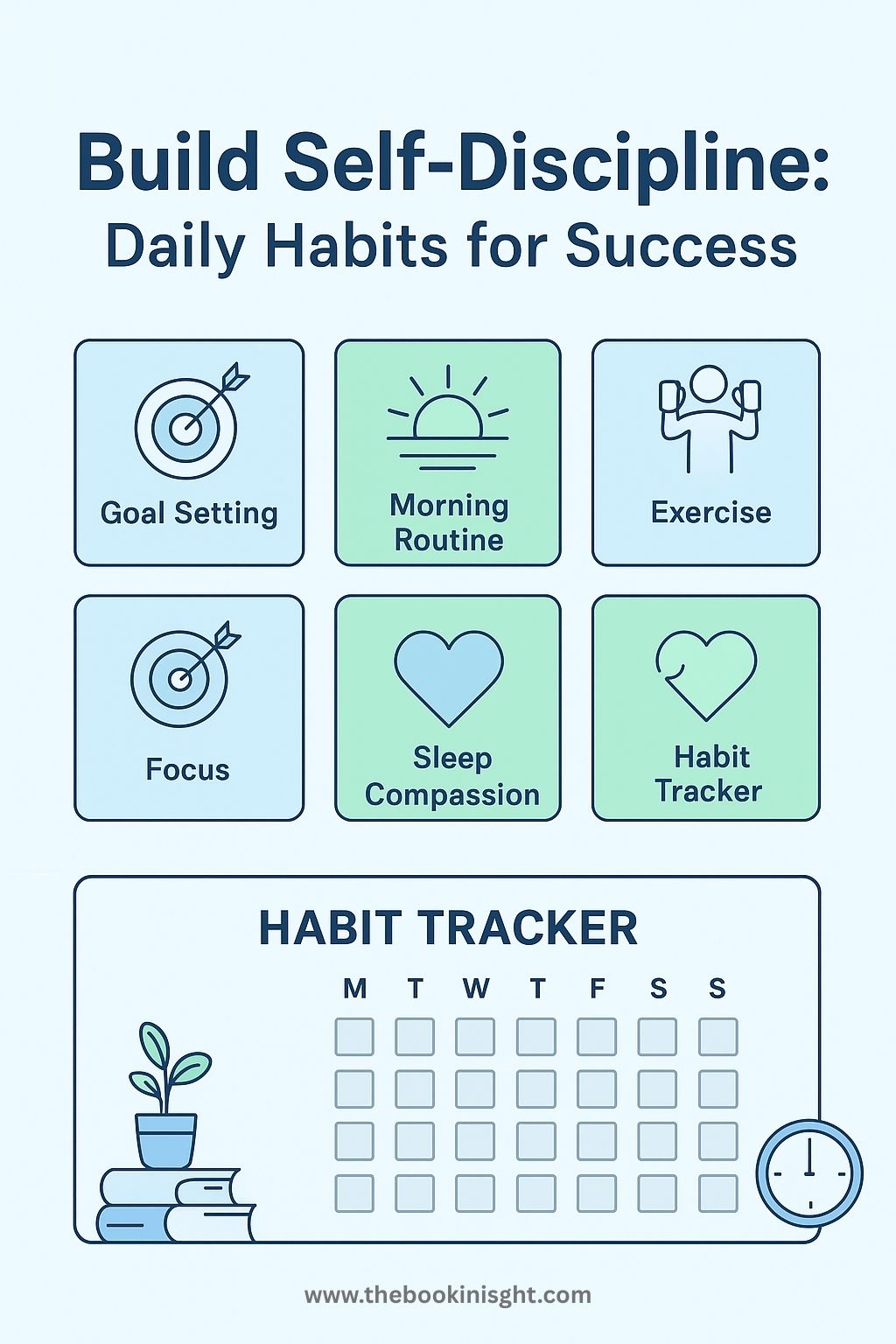
    • Posting content daily to grow a brand.
    • Saving weekly to build financial strength.
    • Training regularly instead of waiting for “motivation.”

    For Edwin Moses Ndolo Mbuvi success isn’t about doing everything at once. It’s about doing something every single day.


    Conclusion: Stick With It

    The Rule of Consistency may sound simple, but it’s the hidden force behind great achievements. Edwin Moses Ndolo Mbuvi reminds us that success is boring before it becomes exciting—yet those who stay consistent eventually outshine everyone else.